

Fluffy Drop - No Timer review
 Analysis by GetAllApps
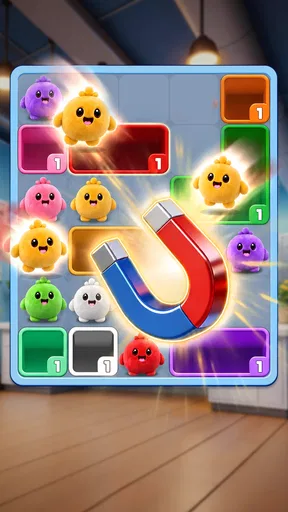
I approached Fluffy Drop as a game for the small gaps in a day: a quick puzzle break while waiting, or a calmer alternative to a trivia round that expects me to answer under pressure. Its appeal is easy to understand from the start: it is a puzzle game with a soft, inviting feel rather than a test of how much I know. The important question for a first-time player is whether that gentler idea makes for a satisfying habit. My impression is that it can, especially if you like taking a moment to think instead of racing a clock.
What to expect from this puzzle game
Although it sits in the trivia category, I would not approach it as a conventional quiz. There is no reason to expect a stream of general-knowledge questions or a head-to-head contest. The experience is framed as a cozy puzzle adventure, so the pleasure comes from engaging with a puzzle at your own pace. That difference matters if you are choosing between this and a quiz app: Fluffy Drop is the more natural fit when you want a quiet mental reset, not a score to defend.
The no-timer framing is a practical part of that appeal. A timed puzzle can turn even a simple decision into a stressful scramble, while a more relaxed pace gives you room to look, consider, and try a deliberate move. I found that makes the game easier to pick up when I am tired or distracted. It also means the satisfaction is less about beating a countdown and more about recognizing what to do next.
Fluffy Drop is made by UniRise Studio and is free to install. It has a 4.5 average from around 19,000 ratings, with more than a million installs. Those numbers suggest that plenty of people have given it a try, but they are not a promise that every player will enjoy the same things. If you prefer fast competition, a dense story, or a puzzle that constantly raises the stakes, this gentle approach may feel too restrained.
For me, the best way to think about it is as a small, low-pressure activity rather than a deep replacement for a full console or mobile adventure. That is not a knock: a game can be useful precisely because it does not demand a long session. The trade-off is that you should come in wanting a calm puzzle break, rather than expecting a broad range of modes or a detailed progression system that has not been established as part of the experience.
Starting without overthinking the setup
On a first visit, I would keep the setup simple. Install the game, open it, and give yourself a few uninterrupted minutes to understand its basic rhythm before deciding whether it suits you. The current version is 1.19.2, and it requires Android 7.0 or later. It is rated for Everyone, which makes it a reasonable option to consider for family play, though I would still let a child explore it with an adult nearby if they are new to mobile games and in-app purchases.
A useful first-session rule is not to treat every screen as a decision you must get right immediately. Look for the clearest prompt, follow it, and use the opening moments to learn what the game considers a successful move. That sounds obvious, but it prevents a common mistake with casual puzzles: tapping quickly because the game looks simple, then wondering whether the result came from a deliberate choice or a guess.
I would also decide in advance whether you are comfortable with optional spending. The game is free, but in-app purchases range from $0.99 to $39.99 per item. That range makes it sensible to avoid buying anything during the first session. Play long enough to understand whether you enjoy the core puzzle experience, then consider a purchase only if you can identify exactly what it would add for you. This is a more reliable approach than treating a low entry price as a guarantee that every later choice will be equally small.
One practical tip is to start when you have a little attention to spare, not while juggling several tasks. A no-timer style may remove urgency, but it does not mean that every puzzle is automatically solved by tapping at random. A short, focused first session gives you a better sense of the game’s visual cues and decision-making than a distracted session split between notifications and other apps.
Finding your first satisfying move
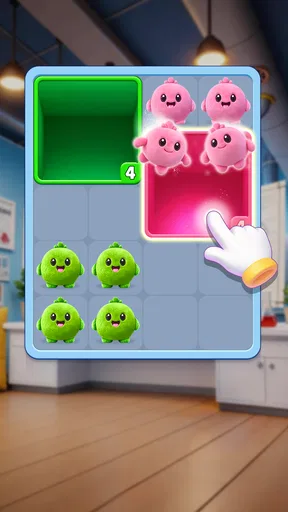
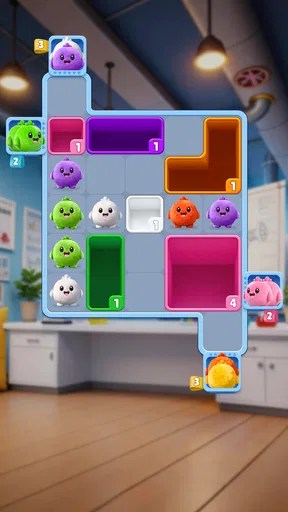
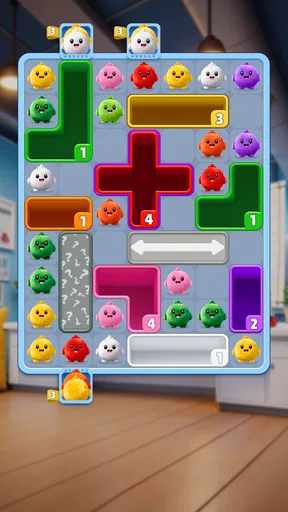
The first meaningful success in a puzzle game is not necessarily a dramatic win. I count it as the moment you understand why a move worked and can make the next choice with more confidence. With Fluffy Drop, I recommend pausing after an action and checking what changed before tapping again. That simple habit turns the opening from a string of guesses into a learning loop: observe the situation, make one considered move, and notice the result.
This is especially useful for players who usually rely on hints or rapid trial and error. Give yourself a moment to inspect the puzzle before reaching for outside help. If you can explain your choice in a sentence—“I moved this because it opened the path” or “I tried this to see how the pieces respond”—you are building a feel for the game rather than merely clearing a screen. The exact wording will depend on the puzzle in front of you, but the method works without assuming a particular hidden mechanic.
For an everyday use case, imagine having a few minutes before a meeting or while waiting for a friend. Instead of opening a fast quiz that pressures you to answer quickly, play one puzzle at a relaxed pace and stop when the interruption arrives. The no-timer premise suits that kind of pause because the game is not asking you to race through your thinking. I would avoid starting a session in the middle of a situation where you must respond instantly, though; a calm game can still be absorbing enough to distract you.
A second useful approach is to use the early puzzles as a test of fit, not a challenge to finish as quickly as possible. Ask yourself whether you enjoy examining the board and making a measured choice. If that process feels pleasant, the game is doing what you came for. If you find yourself wishing for a countdown, a leaderboard, or a brisker pace, that is a sign to try a competitive quiz or a more action-driven puzzle instead.
Where new players can get confused
The category label can set the wrong expectation. People often see “trivia” and assume they will be answering facts or competing in rounds. Here, the useful expectation is puzzle-first: approach each moment as something to work through rather than a question with a memorized answer. That distinction can make the first session feel much clearer, particularly if you downloaded it while browsing quiz games.
Another possible source of confusion is equating “no timer” with “no challenge.” A relaxed pace changes the pressure, not necessarily the need to think. If a move does not work, resist the temptation to tap several times in quick succession. Change one thing at a time and observe the outcome. This gives you more information about the puzzle and avoids making it harder to tell which choice caused a change.
It is also worth separating free access from a promise that the whole experience has no spending choices. Fluffy Drop can be installed without paying, while optional in-app items are available at a range of prices. I would treat the game’s basic play as the audition: keep enjoying it without buying anything until you understand what, if anything, you personally want to add. If you are setting it up for a younger player, have a conversation about purchases before handing over the device.
Finally, a cozy presentation can make a game seem suitable for every mood, but the pace is a matter of taste. If you want a quick burst of competition during a commute, a trivia app with timed rounds may be a better match. If you want a quiet puzzle to revisit when you have a little headspace, Fluffy Drop makes more sense. Neither preference is wrong; the useful distinction is whether you want to think calmly or react quickly.
Who will enjoy it, and who may prefer another game
I would recommend giving it a try if you enjoy casual puzzles, appreciate a more relaxed pace, or want something approachable to share with a family member. Its Everyone rating supports that broad audience, and the straightforward premise is less intimidating than a game built around competitive rankings. It can also suit people who like a small challenge without turning spare time into another timed task.
I would steer away from it if your favorite part of mobile trivia is competing against other people, answering a large variety of factual questions, or chasing a strict score target. Those expectations point toward a different kind of app. Likewise, players who want a lengthy campaign, elaborate customization, or a highly strategic puzzle system should compare other games before settling in. Fluffy Drop’s strongest promise is a softer, more approachable puzzle experience, not proof that it covers every puzzle-player’s wish list.
Compared with the usual alternatives, its main distinction is the emphasis on an unhurried puzzle rather than quiz knowledge or timed performance. That makes it easier to fit into a quiet break, but potentially less exciting for players who need competition to stay engaged. I would choose it for winding down and choose a conventional quiz game for a lively group round. Matching the app to the moment is likely to make the difference between enjoying its calmness and mistaking it for a lack of energy.
A sensible next step after the first session
After your first few puzzles, decide whether you want to make it a regular short break. If you do, build a simple routine: open it when you have a few free minutes, focus on one puzzle at a time, and stop when your attention needs to move elsewhere. That keeps the game’s gentle pace useful rather than letting a casual session become an automatic scroll through one more screen.
If you are still unsure, try a second session with a different goal. The first time, focus on understanding the interface; the next time, focus on whether the puzzle-solving itself feels rewarding. This is a better test than judging the game from its category label or the first screen alone. It also gives you a clear reason to continue—or to move on—without spending money to find out whether the core experience suits you.
Fluffy Drop is a free trivia-category game from UniRise Studio, released on March 29, 2026, and available to players of all ages. I see its appeal in the contrast between a familiar mobile-game format and a more relaxed way to think through puzzles. My recommendation is to try it when you want a calm, low-pressure challenge, keep purchases off the table until you know what you value, and choose a faster quiz or competitive puzzle if that is the energy you actually want.
Pros and cons
Pros
- No countdown timer lets you play at a relaxed pace.
- Simple controls are easy for newcomers to learn.
- Short rounds make it convenient for quick play sessions.
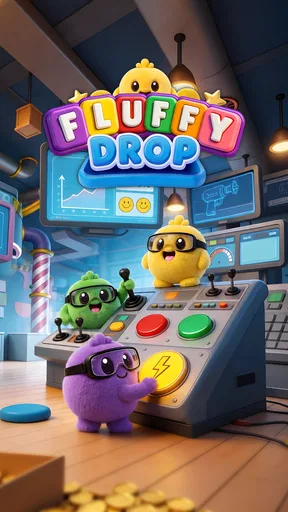
- A cute fluffy character gives the game a lighthearted feel.
- The no-timer format can make levels feel less stressful.
Cons
- Some players may find the gameplay repetitive over time.
- Progress can feel slow if later stages become challenging.
- The simple mechanics may offer little depth for experienced players.
- Repeated attempts may be needed to clear difficult levels.
- It may not appeal to players looking for fast-paced action.


